
Opening a watch to swap a battery or give the movement a clean can feel daunting, especially when there's no proper case knife or watch tool within reach. Fortunately, with a bit of patience and household items, many screw-back watches can be coaxed open without specialist equipment. This guide walks through the design of these cases, the materials involved, and a handful of practical grip techniques that reduce the risk of damage.
Key takeaways
- Screw-back watch cases feature a threaded design that must be rotated in the correct direction, often using dedicated notches, to release the rear cover.
- Understanding the material of your watch back is crucial, as softer metals like gold-plated brass or titanium are more prone to scratching than stainless steel.
- Before attempting to open a watch, you must distinguish between a screw-off back, a pressure-fit snap-off back, and cases that open from the front.
- Using a high-friction material like a rubber ball or a thick rubber band can provide the necessary grip to turn the case back without using professional tools.
- Techniques for opening a watch case require steady, consistent pressure rather than sudden force to avoid slipping and damaging the metal casing.
- Precarious tasks, such as handling vintage or expensive luxury timepieces, are best left to professionals to avoid costly damage or loss of water resistance.
- After successfully opening the case, it is important to inspect the gasket for wear and avoid touching battery terminals with bare skin to ensure long-term functionality.
Understanding screw-back watches and their design
The Anatomy of a Screw-Back Watch Case
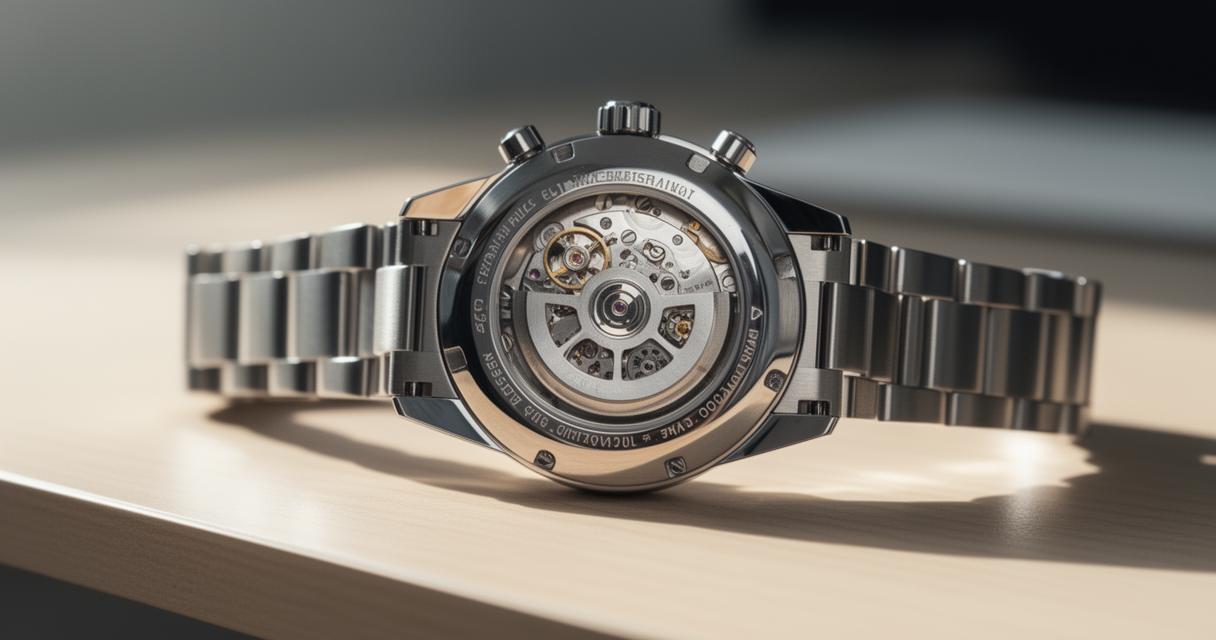
A typical screw back watch case is made up of three main parts: the front bezel holding the crystal, the middle case containing the movement, and the rear cover that threads onto the case body. Unlike a pressure fit back or a snap-off back, which simply clips into place, a true screw-off design relies on threading that must be rotated in the correct direction to release. Along the edge of the back, you'll often find small notches cut into the metal, designed to accept the prongs of a case opener. These notches are the key to leverage, and without them, the task becomes considerably trickier.
Different materials used in watch backs
Watch backs aren't all cut from the same cloth. Stainless steel remains the most common choice thanks to its durability and resistance to corrosion, but titanium, gold-plated brass, and even ceramic composites appear on higher-end pieces. The material affects not only the weight and feel of the watch but also how much grip you'll need when attempting to turn it. Softer metals can scratch easily, so any opening mechanism attempted by hand should be approached gently to avoid unsightly marks around the case edge.
Exploring Methods to Open a Watch Back Without Tools
When and Why You Might Need to Open Your Watch
There are several everyday reasons someone might need to access the inside of their timepiece. A dead battery is the most frequent culprit, but you might also be looking at gasket replacement to restore water resistance, or simply want to carry out routine cleaning of dust that's crept in over the years. Whatever the reason, understanding the type of back you're dealing with before diving in will save considerable frustration.
Assessing your watch type before attempting to open it
Before attempting anything, take a close look at the case back. If you spot notches cut into the metal, you're likely dealing with a screw-off design that will need to be rotated anticlockwise to loosen. A smooth back with a small groove or lip suggests a pressure fit or snap-off back, which usually requires prising rather than turning. Some watches, particularly vintage or specialist models, actually open from the front, meaning the crystal must be removed to access the movement for any repair work. Watches with clips and secure covers, often found on rugged or diving models, may have additional locking mechanisms that need to be released before the back will budge at all. It's worth noting that particularly expensive or vintage pieces are best left to a professional service, since a slip of the hand could cause damage that costs far more to fix than the original battery change.
Using Rubber or a Rubber Band for Grip
The rubber ball method for stubborn screw backs
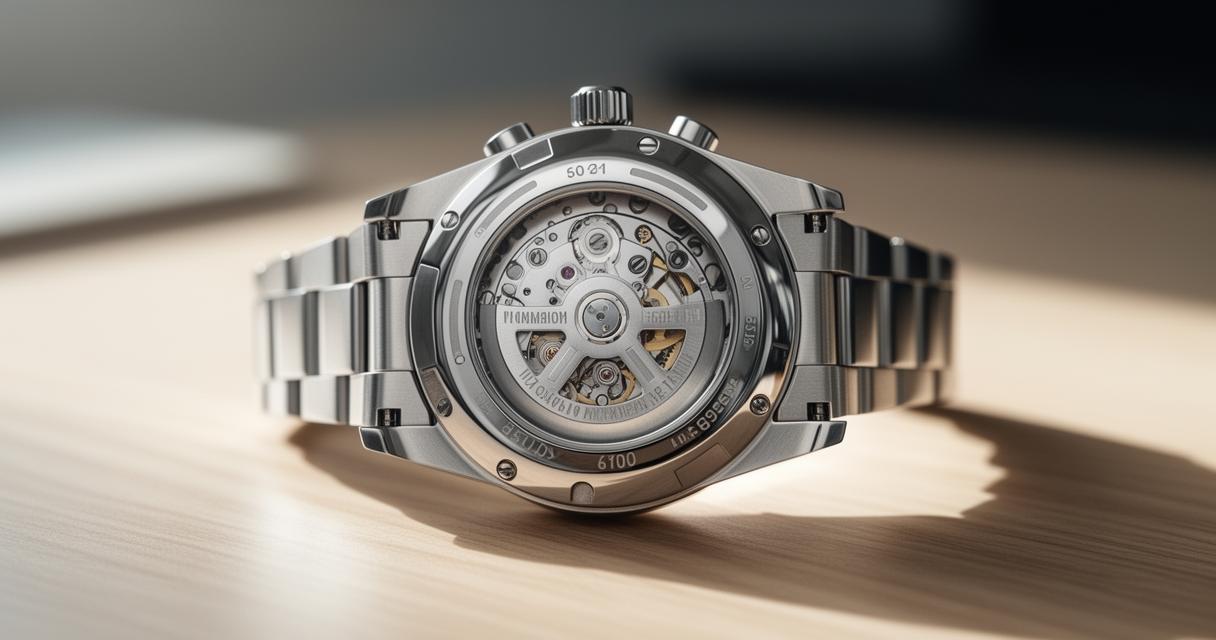
One surprisingly effective trick involves pressing a rubber ball firmly against the case back and twisting. The rubber's natural tackiness grips the metal surface far better than bare fingers, which tend to slip against polished steel. This method works particularly well on backs with pronounced notches, as the rubber can settle into the grooves and provide just enough purchase to break the initial seal. It won't work on every watch, particularly those tightened to a professional torque, but for everyday pieces it's often enough.
How to Apply a Rubber Band for Better Traction
If a rubber ball isn't to hand, a thick rubber band wrapped several times around the case back can achieve a similar effect. Stretch the band tightly across the notches, then use your fingers or a soft cloth to apply steady rotational pressure. Some people find it helpful to combine this with a second rubber band wrapped around the main watch body for a firmer hold, essentially creating two grippy surfaces working against each other. Patience matters here; sudden jerking movements are more likely to cause slipping than a slow, consistent turn.
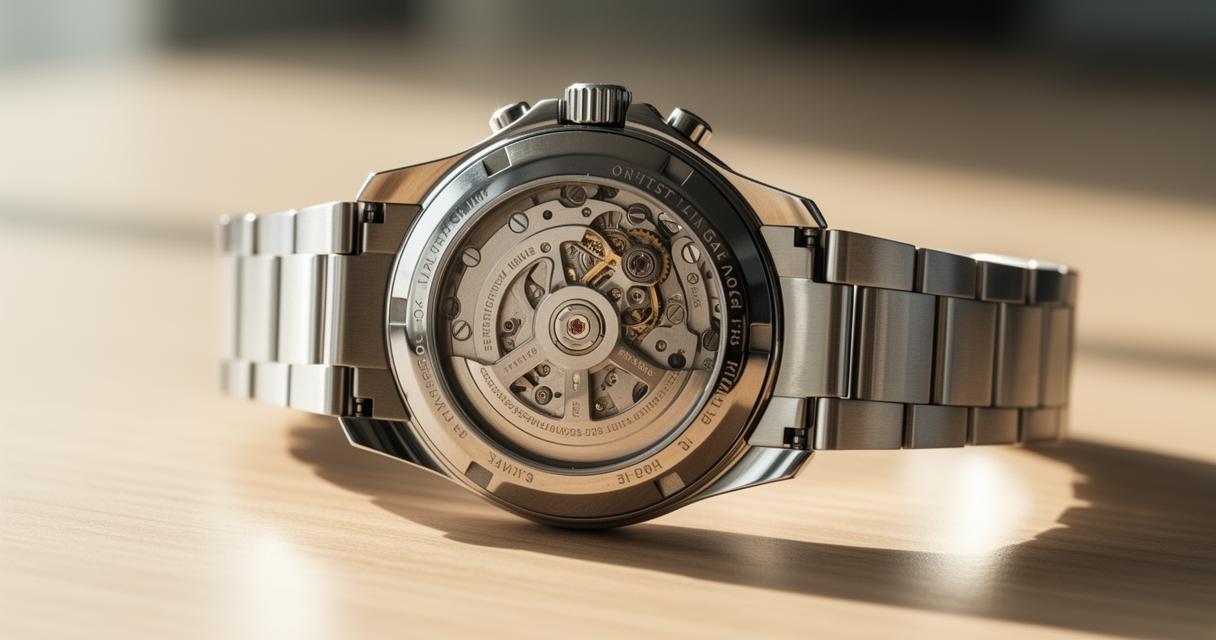
Beyond rubber-based grip tricks, other approaches include locating the notches precisely and applying gentle downward pressure while turning, or carefully sliding a razor blade or similarly thin edge into the seam of a pressure fit back to lever it open. Both methods demand a steady hand and a good deal of care, since too much force can scratch the case or bend the back out of shape. Safety should always come first: work on a soft, non-slip surface, keep fingers away from the blade's edge, and never force a back that refuses to move, as this often signals a design that genuinely requires a proper watch tools kit. Once open, take care during battery replacement to avoid touching the new battery's terminals with bare fingers, and inspect the gasket for wear before closing everything back up, since a damaged seal can let moisture in and ruin the movement over time. Watches with clips and secure covers deserve extra attention, as forcing them without releasing the clip first can snap delicate fittings.
Ultimately, knowing your watch and matching the right technique to its case design makes all the difference between a satisfying DIY fix and an expensive trip to a repairer. For everyday timepieces, a rubber band, a careful eye on the notches, and a little patience will often get the job done. For anything precious or complicated, though, it's always worth remembering that a trained professional armed with proper watch repair tools remains the safest route to good watch maintenance in the long run.