Whether you are just starting out or looking to refine an established practice, the right photography equipment can make a remarkable difference to your creative journey. From the camera body you hold in your hands to the accessories that support your vision in the field, every piece of kit plays its part. Understanding what to invest in — and why — is the first step towards building a setup that genuinely serves your work.
Key points
- Choosing the right camera should be based on your specific shooting style and needs rather than simply pursuing the highest specifications.
- Mirrorless cameras are increasingly favored for their lightweight design and low-light performance, while DSLRs remain a reliable choice for those needing an extensive lens ecosystem.
- Strategic investment in lenses has a greater impact on image quality and creative vision than frequently upgrading camera bodies.
- Stabilization tools like tripods are essential for eliminating camera shake and enabling advanced techniques such as long exposures.
- Portable lighting solutions and microphones allow photographers to maintain consistent quality in both still photography and video content creation.
- Professional photographers must prioritize data security by using high-quality memory cards and reliable portable hard drives for backups.
- Investing in protective gear like well-designed camera bags and sensor cleaning kits ensures the longevity and safety of your photographic equipment.
Choosing the Right Camera and Lenses for Your Style
The world of cameras has never been more varied, and for those exploring options online, visiting a dedicated retailer such as https://www.agfaphoto-gtc.com/en/ offers a helpful starting point, with a broad range of digital cameras and accessories available to suit different budgets and interests. Photography for beginners need not be an overwhelming experience; the key is to focus on what you actually need rather than chasing the latest specification.
Understanding camera types and what they offer
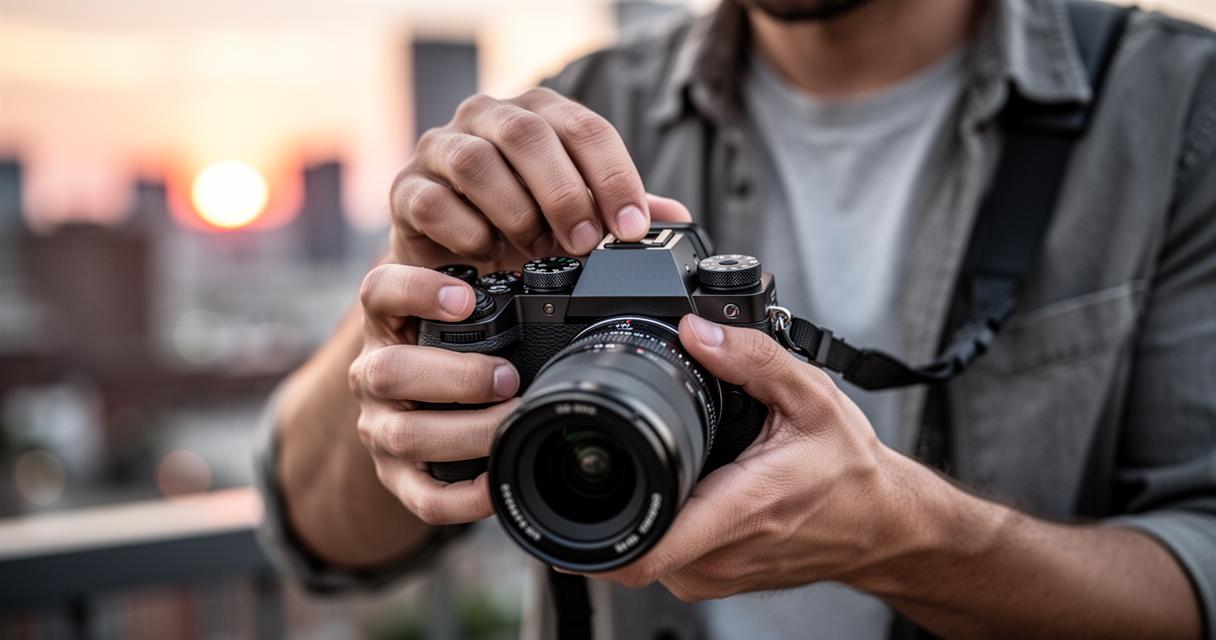
Mirrorless cameras have grown significantly in popularity over recent years, largely because they offer a compelling blend of lightweight design and impressive performance, particularly in challenging low-light conditions. These compact bodies are well-suited to travel, street work, and everyday shooting alike. For those on a tighter budget, entry-level digital camera options — including models aimed at younger or first-time users — provide an accessible route into the craft without requiring a large initial outlay.
DSLRs, meanwhile, remain a dependable choice for photographers who value a wide selection of compatible lenses and a solid, reassuring build. More advanced mirrorless bodies push performance further still, offering high-resolution sensors and professional-grade video capabilities for those whose ambitions extend into commercial or editorial work. The important thing is to match the camera to your actual shooting style rather than simply reaching for the most powerful option available.
How lens selection shapes your photographic vision
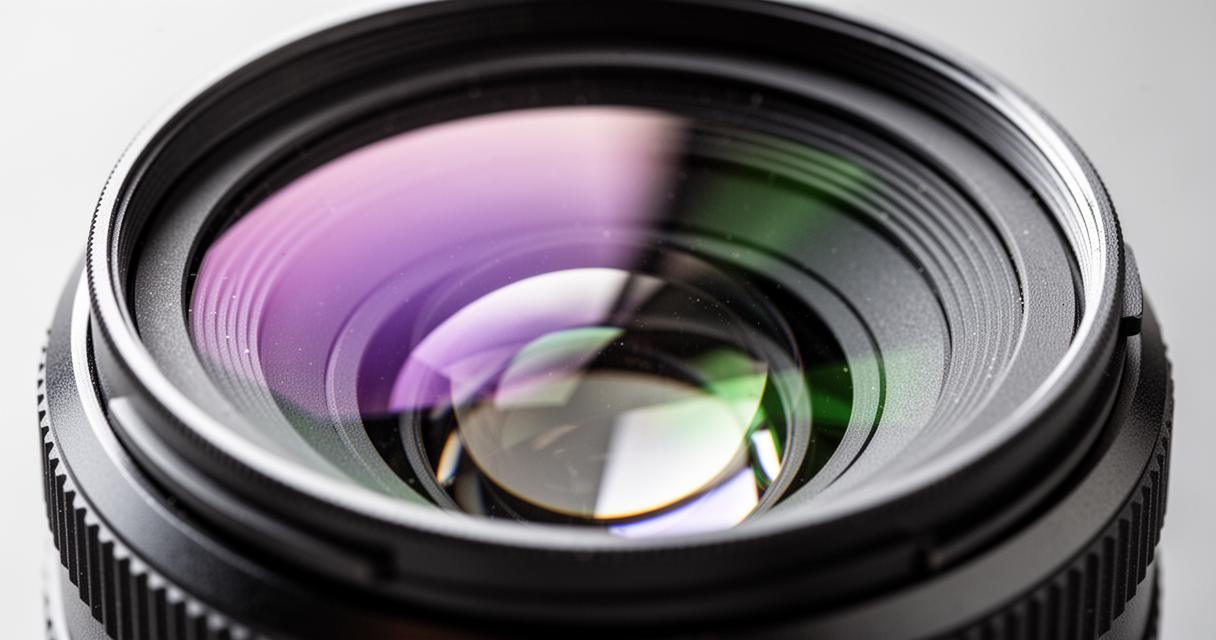
A camera body is only part of the equation. Camera lenses shape your images in fundamental ways, influencing depth of field, perspective, and the overall mood of your photographs. A fifty millimetre prime lens, for instance, is widely regarded as an excellent choice for portraiture, delivering natural-looking results with a pleasingly shallow background. Wider lenses suit architectural and landscape work, while longer telephoto options come into their own for wildlife or sports photography. Investing thoughtfully in lenses — rather than simply accumulating bodies — tends to yield the most consistent improvements to image quality over time.
Essential accessories that elevate your photography
Once the core camera kit is in place, a carefully chosen set of photography accessories can transform the shooting experience. These supporting tools are often underestimated, yet they contribute enormously to the consistency and quality of the final results.
Lighting and Stabilisation Tools for Sharper, Bolder Shots
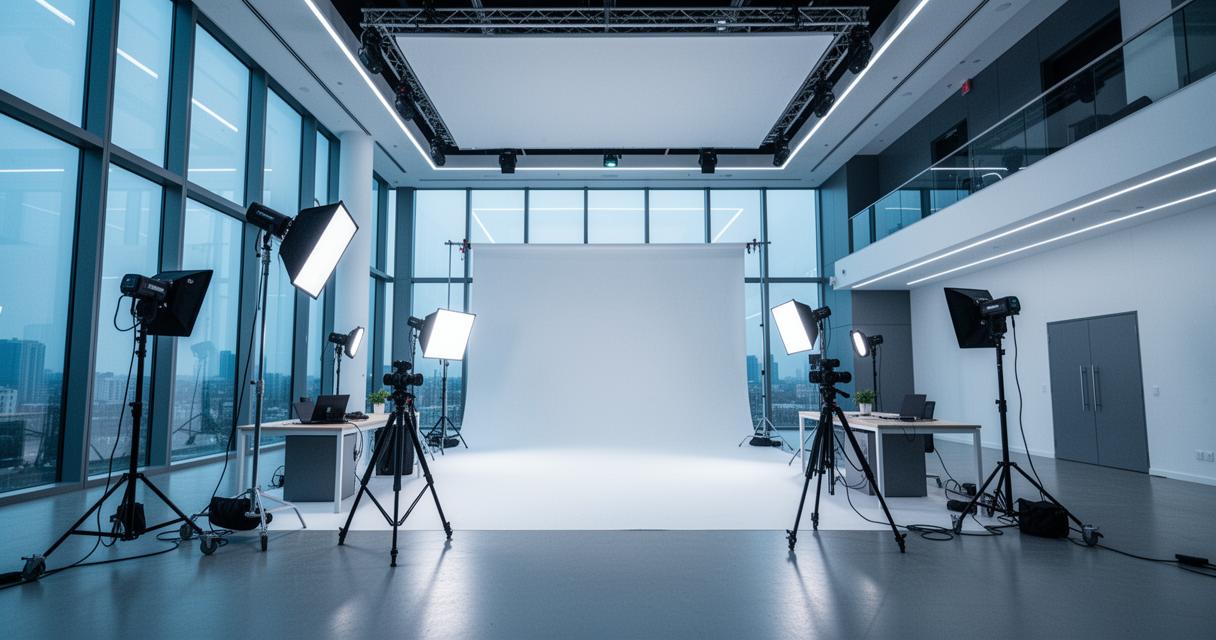
Studio lighting and portable flash systems give photographers control over their environment that natural light alone cannot always provide. Even a modest ring light — useful for vlogging, portraits, and close-up work — can elevate an image significantly. Equally, a reliable tripod for photography is one of the most impactful investments a photographer can make. Stability eliminates camera shake, enables longer exposures, and allows for more considered composition. Lightweight carbon fibre options are particularly well-regarded for travel, offering rigidity without adding unnecessary weight to your kit bag.
For those venturing into moving image work, vlogging gear such as compact camera stabilisers and directional microphones helps ensure that footage remains smooth and audio remains clear. Similarly, podcast equipment — including USB microphones and quality headphones — is increasingly relevant for creatives building an audience online. The overlap between photography, video, and content creation continues to grow, and a versatile kit supports all of these pursuits.
Storage, Bags and Protective Gear to Keep Your Kit Safe
Reliable storage is non-negotiable for any serious photographer. High-quality memory cards from trusted brands ensure that images are captured and retained safely during shoots, while portable hard drives provide essential backup for your archive at home or on the road. Many experienced photographers carry multiple cards and drives as a matter of habit, and it is a discipline well worth adopting early.
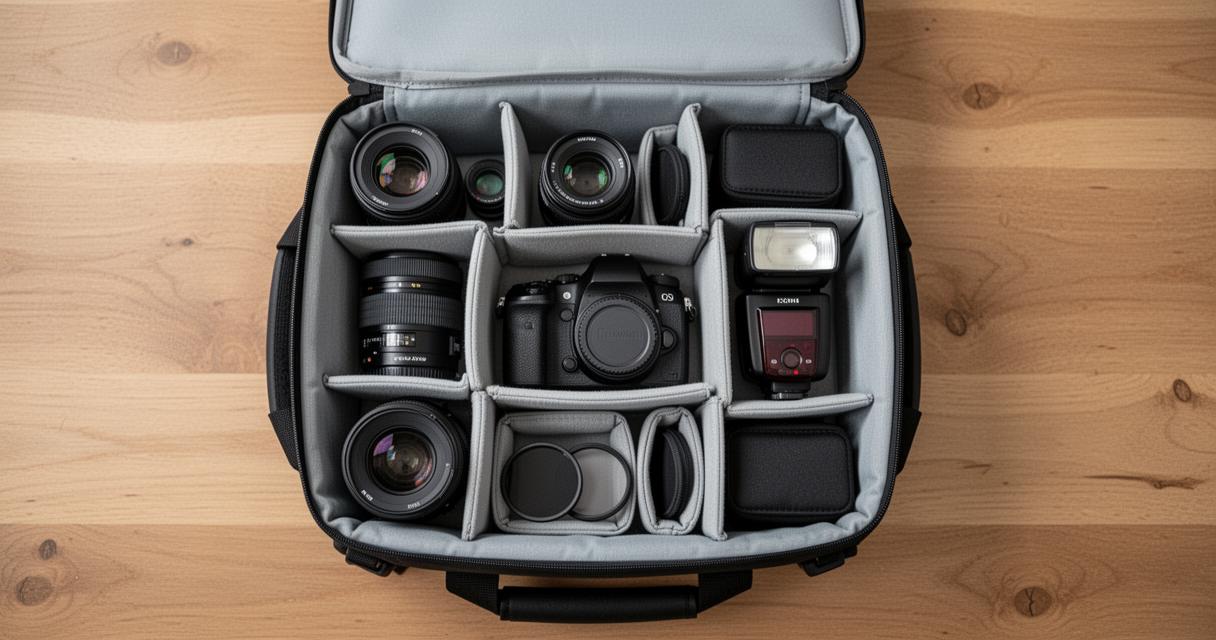
Camera bags deserve equal attention. A well-designed bag protects your equipment from knocks and weather while keeping everything organised and accessible. Options range from compact shoulder bags suited to a minimal day kit through to larger backpacks designed for photographers carrying multiple bodies, lenses, and accessories on location. Camera sensor cleaning kits are another practical consideration, helping to maintain image quality over the long term by removing dust and particles that inevitably accumulate with regular use.
Building a creative workflow around solid, dependable equipment — paired with photo editing software and, where relevant, video editing software — allows photographers at every level to focus on what matters most: making images that resonate. Whether your interest lies in portraiture, landscape, street photography, or the film aesthetic photography that has captured so much attention in recent years, investing wisely in professional photography gear lays the foundation for genuine creative growth.